More Than Just a View: Why Windows Matter in Resilient Housing
Build Change
Author
When designing homes to withstand disasters like hurricanes, strengthened walls, secure foundations, and properly anchored roofs usually garner the most attention. Windows are a small detail that’s often missed, but they can make all the difference.
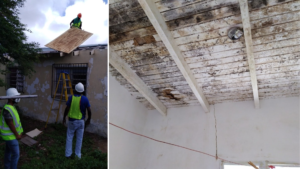
In many homes, windows are a major point of vulnerability. And while broken glass might not threaten the structural integrity of a building, it can cause serious damage to everything inside. Water intrusion can destroy furniture, electronics, and personal belongings in minutes. In tropical climates, where mold can start to grow within 48 hours, this also becomes a serious health hazard. Prolonged exposure to mold can trigger asthma, allergies, and other respiratory issues especially for families who can’t afford immediate repairs.
What Is Resilient Housing?
At Build Change, we define resilient housing as homes that provide a safe, locally appropriate, healthy, and secure space. Moreover, it is affordable and a secure financial investment for its occupants. Resilient housing is sustainable, adaptable, and scalable. It’s not just about surviving a storm—it’s about preventing long-term setbacks for families. A resilient home protects health, safety, and livelihoods by reducing damage and making recovery faster and less costly.
That’s why we pay close attention to every component of the house—including the windows.
Windows: The Hidden Weak Point
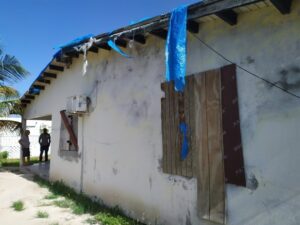
During a hurricane, broken windows create openings for wind-driven rain and flying debris. If wind enters through a broken window, it changes how wind acts on the house and can cause significantly more structural damage to the walls and roof. But even without structural damage, broken windows often lead to costly losses and unsafe living conditions.
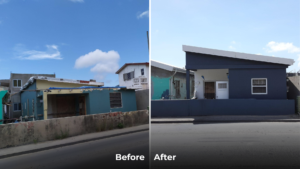
In 2019–2021, Build Change worked closely with the National Recovery Program Bureau in Sint Maarten to support their post-hurricane Irma housing retrofit project. Window replacement was a key intervention. Families received new windows rated for Category 5 winds and impact resistance—proving that the right materials can protect not only the building but everything inside it.
Windows can be protected using a variety of cost-effective methods. As part of updates to the local housing guide in the Comoros, Build Change provided guidance on using simple wooden shutters to protect window openings during storms. Even a piece of plywood can make a huge difference if designed and installed correctly.
Affordable Protection for Everyone
Positive news is that there are solutions that can be low-cost and effective. Not every family needs high-tech rolling metal shutters (though they’re helpful where possible). A resilient window system can be as simple as:
- Laminated or tempered glass rated for impact
- Temporary or permanent shutters made from plywood, fixed securely to the walls
- Strong window frames and proper sealing
These are manageable upgrades that dramatically improve a home’s resilience in hurricane-prone areas.
When we talk about resilient housing, it’s not just about the big-ticket items. It’s also about the small, smart choices that prevent damage, save money, and protect health. Windows may seem secondary, but they are essential.
By choosing the right materials—or by adding protective shutters—families can make their homes safer, healthier, and more resilient for the long term.
Support resilient housing worldwide
Join us in preventing housing loss caused by disasters.
Donate nowNewsletter
Sign up for our newsletter to receive updates on our latest news, events, and more.